
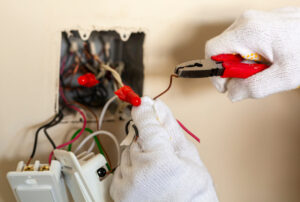
 There are two primary circumstances that may necessitate the replacement or upgrade of your main electrical system: planned and unplanned events. Understanding these scenarios can help homeowners make informed decisions about their electrical needs and ensure the safety and efficiency of their homes.
Planned Electrical Upgrades
Planned replacements or upgrades typically occur when homeowners undertake projects that significantly increase their electrical load. Common situations include installing a new hot tub, adding an electric vehicle charging outlet or undertaking major home renovations, such as remodeling a basement or kitchen. These upgrades often require additional power circuits, which can exceed the capacity of the existing main electrical panel. If the panel is already fully occupied or cannot handle the increased load, replacing it becomes necessary.
Beyond just replacing the panel, some projects may also require an upgrade to the home’s entire electrical service. Standard residential electrical service is typically rated at 100 or 150 amps, but with modern energy demands, many homeowners upgrade to 200 amps or even 400 amps to accommodate new appliances and systems. This is especially important for homes incorporating multiple high-power devices, such as air conditioning units, electric furnaces or large entertainment systems.
A properly planned electrical upgrade ensures that all electrical systems function safely and efficiently, preventing potential hazards such as overheating circuits, frequent breaker trips, or even fire risks. Consulting with an experienced electrician before starting a major renovation is crucial to determining whether an upgrade is necessary.
Unplanned Electrical Upgrades
Unlike planned upgrades, unplanned replacements or updates typically occur due to electrical failures, storm damage or inspection issues. Severe weather conditions, such as storms, hurricanes or heavy rainfall, can damage electrical systems by causing downed power lines or allowing water to seep into the main panel. If water damage occurs, electrical malfunctions such as blinking lights, power outages or short circuits can arise, making immediate replacement essential.
In addition, many older homes—particularly those built more than 80 years ago—still contain outdated wiring systems like knob-and-tube wiring. This type of wiring is often flagged during home inspections due to safety concerns. When an electrician identifies such outdated wiring or frequent electrical issues, it may indicate that the main panel is deteriorating or unable to handle modern electrical loads, necessitating replacement.
Regardless of whether the upgrade is planned or unplanned, replacing the main panel is a significant investment that should be handled with care. Homeowners should always work with a licensed and insured electrical contractor to ensure safety, compliance with regulations and long-term reliability.