
As winter comes to an end and spring approaches, it’s time to start thinking about tree care to ensure their health and vitality. Here are some tips for end-of-winter tree care: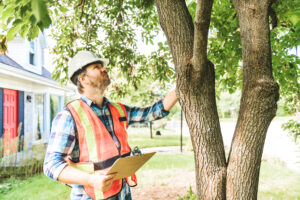
Pruning
Remove any dead, damaged, or diseased branches. This helps improve the tree’s overall health and appearance. Prune back any overgrown branches to maintain a balanced canopy.
Inspect for Pests and Diseases
Check for signs of pest infestations or diseases. Look for unusual spots on leaves, discoloration, or the presence of pests. If you notice any issues, consult with an arborist for appropriate treatment.
Mulching
If you applied mulch in the fall, check its depth and replenish if necessary. Mulch helps retain soil moisture, regulates temperature, and suppresses weeds.
Fertilization
Consider fertilizing your trees, especially if your soil lacks essential nutrients. A soil test can help determine the specific needs of your trees.
Watering
Ensure that your trees receive adequate water, especially if there hasn’t been sufficient rainfall. Deep watering is generally better than frequent shallow watering.
Protect Against Wildlife
Check for any damage caused by wildlife, such as deer rubbing their antlers on the bark. Use protective measures like tree guards to prevent such damage.
Inspect Tree Stakes
If you have young trees with support stakes, check to see if they are still needed. Remove stakes that are no longer necessary to allow the tree to develop a strong trunk.
Check Soil Drainage
Ensure proper drainage around the base of your trees. Poor drainage can lead to root rot and other issues. If you notice water pooling around the base, consider improving drainage.
Inspect Tree Ties
If your trees are tied to stakes, check the ties for tightness. Loosen any ties that may be too tight to avoid damaging the bark.
Monitor for Frost Damage
Keep an eye out for any signs of frost damage. Frost cracks can occur during winter, and you may need to address them to prevent further damage.
Plan for Spring Growth
Consider your plans for the upcoming growing season. If you have any major pruning or maintenance tasks, spring is often a good time to address them.
Remember that the specific needs of your trees may vary based on the species, climate, and local conditions. Consulting with a local arborist can provide tailored advice for the health and well-being of your trees.