
 Late summer and early fall are the perfect times to inspect your attic. Identifying ventilation issues now allows you to make repairs before cold weather arrives—when proper attic ventilation becomes critical to protecting your home.
A professional inspection begins by evaluating your roof’s ventilation system. You can also look for warning signs yourself, including soft or deteriorating roof decking, mold, musty odors or rusted nails visible from inside the attic. If you notice any of these issues, your attic may not be ventilating properly and could benefit from an upgrade.
Why Ventilation Matters
Many older homes weren’t built with today’s ventilation standards in mind. Before the 1950s, roofing materials like slate, tile and cedar shake were naturally more breathable and were installed over wood boards that allowed air to circulate. Combined with simple gable vents or attic windows, these roofs rarely experienced moisture problems.
As asphalt shingles and plywood became the standard during the post-war building boom, many homes were still constructed without soffit vents or adequate airflow. It wasn’t until decades later that builders widely adopted the balanced ventilation systems used today.
How Modern Ventilation Works
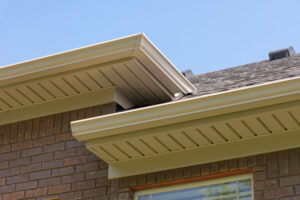
A properly ventilated attic relies on a continuous flow of air. Fresh air enters through soffit vents beneath the roof overhangs (intake) and exits through a ridge vent along the roof peak (exhaust). For the system to work effectively, the amount of intake airflow should equal or exceed the amount of exhaust airflow.
The Hidden Danger of Winter Moisture
While attic ventilation helps keep your home cooler in the summer, it’s even more important during the winter.
As warm air naturally rises from your living space into the attic, it carries moisture with it. When that warm, humid air comes into contact with the cold underside of the roof deck, condensation forms—much like water droplets collecting on a cold glass of iced tea. Over time, this trapped moisture can lead to mold, wood rot, damaged insulation and costly structural repairs.
Proper ventilation continuously replaces warm, moist attic air with cooler, drier outside air, helping prevent condensation before it becomes a problem.
Protect Your Home
A quick attic inspection today can help you avoid expensive repairs tomorrow. If your attic shows signs of poor ventilation, upgrading your system is a smart investment that can extend the life of your roof, improve your home’s energy efficiency and protect your home from moisture damage for years to come.
