
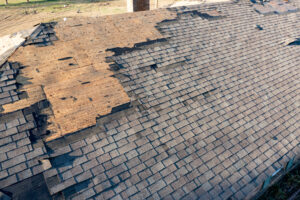
 Severe storms can take a toll on your home, and the roof is often one of the first areas to be affected. Despite this, many homeowners aren’t entirely clear on what their insurance policies actually cover—or what might be excluded—until they’re faced with damage.
Before storm season hits, it’s a smart idea to review your homeowner’s policy with your insurance agent. Ask specifically about coverage for wind and hail damage, as well as whether issues like water intrusion or mold resulting from roof damage are included. Having a clear understanding ahead of time can help prevent confusion and stress if you need to file a claim later.
If your roof is damaged during a storm, here are some important points to keep in mind:
- Start by contacting a trusted local roofing professional to inspect the damage and recommend next steps. During this visit, they may also perform temporary fixes to help prevent further issues. Be sure to document when the damage occurred, as insurance claims are typically tied to a specific storm event.
- Keep in mind that insurance companies often withhold a portion of the payment—known as recoverable depreciation—until the project is finished. Once the work is complete and you submit the final invoice, those remaining funds are typically released.
- Not every situation warrants filing a claim. If repair costs are lower than your deductible, it may be more practical to pay out of pocket rather than involve your insurance provider.
- Should you decide to move forward with a claim, consider having your roofing contractor present when the insurance adjuster evaluates the damage. Their expertise can help ensure that all necessary repairs are properly identified and meet industry standards.
- Be wary of out-of-town contractors who arrive after major storms, offering quick repairs. While they may seem convenient, they often leave once the immediate demand subsides, making it difficult to follow up if problems arise later.
- An experienced contractor will typically stay in close contact with your insurance company throughout the process, helping to make sure nothing is overlooked. This can include important details like compliance with current building codes, removal of multiple roofing layers, or replacing damaged decking.
Taking the time to understand your coverage and working with a reliable contractor can make all the difference when navigating roof repairs after a storm.
