
 There’s something special happening in gardens right now—old-fashioned plants are making a welcome comeback, and it’s hard not to feel nostalgic about the ‘good old days.’
Customers aren’t just asking for what’s trendy or low-maintenance—they’re searching for something that feels familiar. They come in with stories: a grandmother’s peonies, a father’s tomato patch, the scent of lilacs that once drifted through an open window in late spring.
From classic shrubs to nostalgic perennials and easy, cheerful annuals, the plants that once filled backyard gardens with fragrance and color are finding their way back into today’s landscapes.
Tried-and-True Shrubs
These are probably the most widely talked-about “retro” shrubs returning to landscapes:
Lilac (Syringa)
Old-school favorite for its strong fragrance and spring blooms. Often used as hedges or specimen shrubs.
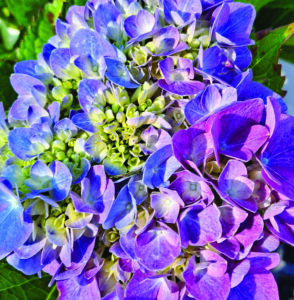
 Hydrangea (especially panicle & smooth types)
Huge blooms, long season, and now tons of improved varieties—very trendy again.
Spirea (Bridal wreath types)
That classic cascading white spring bloomer is back in cottage-style landscapes.
Grandma’s Favorites
Old-fashioned perennials are riding the same nostalgia wave as shrubs—think cottage gardens, pollinators, fragrance, and that “grandma’s border” look. Here are the key ones making a strong comeback right now:
- Delphiniums – Deep blues and tall spikes; a signature of traditional English gardens
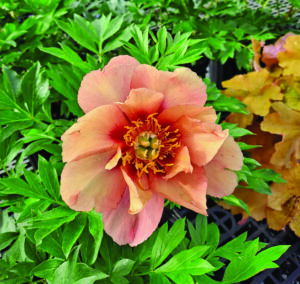
- Peonies – Big, romantic blooms that last for decades in the same spot
- Bee balm (Monarda) – A hummingbird and butterfly magnet with a wild look
 Old Fashion Favorites
Old-fashioned annuals are a huge part of the current nostalgia gardening trend. These annuals are easy to grow, colorful, and often self-seeding.
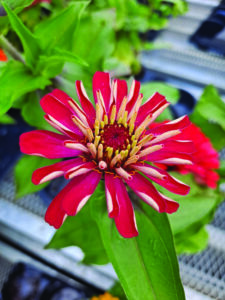
- Zinnias – Bright, cheerful, and perfect for cutting gardens
- Marigolds (Calendula & Tagetes) – Old-school color + practical pest deterrent
- Nasturtiums – Trailing, edible, and super easy to grow
Younger gardeners are just as drawn to nostalgia gardening, even if their memories are secondhand. They’re planting what their parents or grandparents once grew, building a bridge to a time they may not have experienced directly but still feel connected to. It’s a way of grounding themselves—of creating continuity in a world that often feels fragmented.
Stop by and let us help you choose the right varieties for your space—we’d love to help you bring a little timeless beauty back home.