
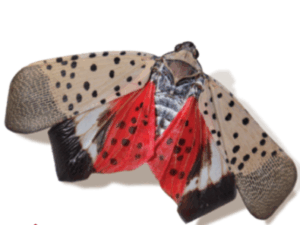
 The spotted lanternfly is more than just a nuisance splattered on windshields—it poses a severe threat to ecosystems and agricultural economies, particularly apple orchards and vineyards. Like many invasive species, it was unintentionally introduced to new environments through imported goods and has since spread aggressively.
The Life Cycle of the Spotted Lanternfly
Spotted lanternflies are classified as planthoppers, named for their ability to hop from surface to surface while maintaining a strong grip when they land. They undergo four distinct life stages, known as instars, before maturing into adults with striking red underwings. In the fall, adult lanternflies lay egg masses, which hatch the following spring, continuing the cycle.
Ecological and Economic Impact
The insect’s presence is particularly harmful to native trees and forests, disrupting habitats for countless species. Bats that roost in trees, along with birds, mammals and reptiles that rely on woody vegetation for shelter and food, may find their natural environments significantly diminished. Additionally, the damage to crops and trees has dire consequences for agriculture, especially for industries dependent on fruit production and vineyards.
How Humans Contribute to the Spread
One of the reasons invasive species spread so quickly is their lack of natural predators. In the case of the spotted lanternfly, human activity plays a direct role in its movement—often unknowingly. The insects and their egg masses hitch rides on vehicles, outdoor gear and other transported objects, allowing them to cross state borders undetected.
Strategies to Combat the Invasion
Preventing the spread of spotted lanternflies requires cooperation at all levels—federal and state agencies, non-profit organizations and residents. Here’s how you can help:
- Check Your Belongings Before Traveling – Get into the habit of inspecting your vehicle, recreational gear and outdoor equipment. If you find egg masses, destroy them by placing them in a sealed plastic bag with hand sanitizer.
- Educate Yourself and Others – Learning how to identify the insect and its egg masses is crucial in stopping its spread.
- Report Sightings – If you notice damage to trees or suspect you’ve seen a spotted lanternfly or its eggs, take a photo and report it to your state’s invasive species program. The USDA Animal and Plant Health Inspection Service provides resources for reporting across different regions.
By staying informed and taking action, we can work together to curb the spread of the spotted lanternfly and protect our ecosystems and agricultural industries.