
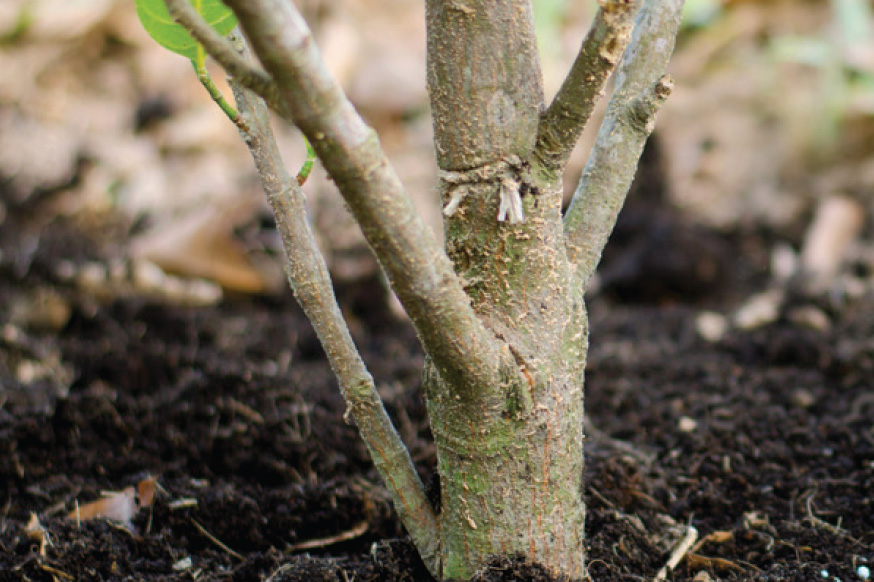
 This fall, it’s important to prepare your trees for the cooler weather, maintaining their health and ensuring their resilience. Here are some tips to help you prepare your trees for autumn:
- Inspect and prune: Conduct a thorough inspection of your trees to identify any dead, damaged, or diseased branches. Prune these branches to prevent them from falling during autumn storms or winter snowfall. Pruning also improves the tree’s overall structure and health.
- Rake and remove debris: Clear away fallen leaves, twigs and other debris around the base of your trees. This reduces the risk of pests and diseases, as well as preventing moisture accumulation that can harm the tree’s root system.
- Mulch: Apply a layer of organic mulch around the base of your trees, but make sure not to pile it against the trunk. Mulch helps retain moisture, regulate soil temperature, and suppress weed growth. It also provides nutrients as it breaks down over time.
- Watering: Continue to water your trees regularly, especially if your region experiences dry spells during autumn. Adequate moisture helps the trees store essential nutrients and prepares them for the coming winter. However, be mindful not to overwater, as excessive moisture can lead to root rot.
- Fertilize: Consider applying a slow-release fertilizer formulated for trees before autumn. This provides essential nutrients that the trees can absorb and store for the winter months when the soil is less active.
- Protect from pests: Inspect your trees for signs of pest infestation, such as chewed leaves, webbing, or discolored foliage. If you notice any issues, consult with a professional for appropriate pest management strategies.
- Protect from frost: In regions with freezing temperatures, consider wrapping the trunks of young or vulnerable trees with tree wraps or burlap to protect them from frost cracks and temperature fluctuations.
- Adjust irrigation: As the weather cools, adjust your irrigation schedule accordingly. Decrease the frequency of watering but ensure that the trees receive enough moisture to sustain them throughout the season.
- Plan for leaf removal: If your trees are deciduous, prepare for the leaf drop by having a plan for leaf removal. You can rake and compost the leaves or use a mulching mower to shred them and return their nutrients to the soil.
- Monitor for issues: Keep an eye on your trees throughout autumn and be alert to any signs of stress, disease, or pest issues. If you notice anything concerning, consult with a certified arborist for expert advice and assistance.
By following these steps, you can help your trees stay healthy, strong and be prepared for the autumn and the subsequent winter season.