
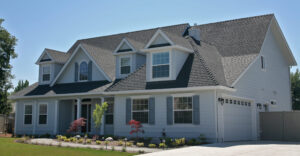
 Science and roofing are converging in extraordinary ways, transforming rooftops from mere shelter into smart, resilient and energy-efficient assets. And make no mistake—these aren’t conceptual blueprints or ideas stuck in R&D labs. These technologies are already showing up on job sites, reshaping the roofing industry in real time.
Take self-healing shingles, for example. Made from thermoplastics, these innovative shingles can repair minor damage like scratches and scuffs through a simple heat cycle. When exposed to sunlight, the thermoplastic polymers separate. As they cool, the molecules rebond, sealing the damage—without compromising the material’s strength or lifespan.
Then there’s the rise of cool roofing. These systems use reflective materials or coatings—or even green vegetation—to reduce heat absorption. Especially beneficial in sunny climates, cool roofs help cut energy bills and reduce urban heat islands. Many municipalities and governments now offer rebates or tax incentives for adopting these energy-smart solutions.
Smart roof sensors are also changing the game. These WiFi-connected devices monitor conditions like leaks, snow load and drainage blockages. Initially used in commercial environments—think cloud data centers or industrial warehouses—this tech is poised to enter the residential market as the Internet of Things continues to evolve. Early detection means fewer emergencies and less damage.
Impact-resistant shingles are another response to today’s climate reality. With hail-related roofing damage costing billions annually, shingles made from polymer-modified asphalt are a timely innovation. Their enhanced flexibility makes them more durable under stress, and some insurance companies now offer discounts for their installation.
On older but still sound roofs, silicone coatings offer a cost-effective way to extend life and performance. These coatings seal up cracks and seams and protect against weather damage. An infrared inspection beforehand ensures that the roof is dry and ready for treatment—a step that’s essential for long-term success.
Finally, solar shingles blend the appeal of traditional roofing with clean energy production. Using photovoltaic technology, they generate electricity while protecting homes. Their sleek, shingle-like appearance offers homeowners the benefits of solar power without the bulky look of panels—perfect for those on the fence about going solar.
With this wave of innovation, roofing is no longer just a trade—it’s a science. And staying ahead means understanding the tech that’s reshaping rooftops today and tomorrow.
