
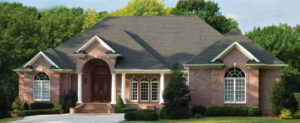
 When planning a roof replacement, many homeowners focus on color and ask whether one option performs better than another. While aesthetics matter, shingle color should ultimately be selected with function in mind. Climate, location and the type of structure all play an important role in determining which choice will deliver the best long-term results.
Across the United States, weather conditions vary dramatically. In consistently hot regions—such as the desert Southwest—roofing systems designed to reflect sunlight are often the most practical solution. Lighter-colored shingles can reduce heat absorption and help keep indoor temperatures more comfortable. Many of these options also carry strong energy-efficiency ratings, making them a cost-effective choice for homes exposed to intense, prolonged heat. In warmer climates, advanced roofing technologies are designed to manage heat more effectively, to reflect solar radiation while quickly releasing absorbed warmth. As a result, roof surface temperatures can be significantly lower, which may translate into noticeable reductions in cooling costs during peak summer months.
In areas like the Northeast, where summers are warm and winters are cold, the decision becomes more nuanced. While reflective roofs make sense for large commercial or industrial buildings with expansive roof surfaces, residential homes often benefit from darker shingles. In colder months, darker roofing materials warm more quickly when exposed to sunlight, encouraging snow and ice to melt faster.
This faster melt can be especially beneficial in regions where snow tends to linger. Roofs that remain cold for extended periods are more prone to ice buildup, which can lead to leaks or structural damage—particularly on shaded or north-facing roof sections. While proper ventilation remains the most critical factor in preventing winter-related roof issues, darker shingles can provide an added advantage by maintaining slightly warmer surface temperatures.
There is also a practical appearance consideration. Modern asphalt shingles, even those treated to resist algae and mildew, will eventually show signs of streaking and discoloration. Darker shingles are simply better at masking these changes, allowing the roof to maintain a uniform appearance for a longer period of time.
Given that asphalt shingle roofs in the Northeast are designed to last decades, choosing a darker color often proves to be the most balanced option. It offers durability, improved winter performance and longer-lasting curb appeal—helping your roof look better and perform reliably for years to come.
