
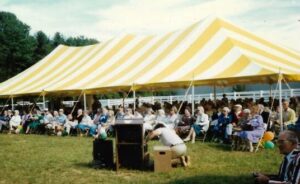
 “The story of White Horse Village is full of surprise, drama, perhaps some scandal, anxiety and ultimately triumph,” says resident Nancy Sharts-Hopko. In 2022, the retired nurse and history enthusiast began interviewing the community’s original residents from its 1989 founding. What she uncovered was a tale as colorful and resilient as the community itself.
The land had been a working farm since the township’s earliest days and was owned in the 1980s by the Archer family. Seeking to build a continuing care community, they partnered with Francis “Buddy” Martin IV, a theatrical producer, equestrian, teacher, investment banker and real estate developer with degrees in English and Theatre. In his thirties at the time, Buddy envisioned not just a retirement village, but also a personal residence and an equestrian center complete with stables, paddock and riding arena.
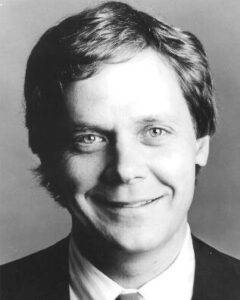 The planned development included 298 units, a clubhouse and a healthcare center. True to the equestrian theme, buildings bore names like Ascot, Belmont, Alydar and Kelso. Buddy raised funds, took deposits and launched construction in 1988. But as costs soared, the future of the project teetered on collapse.
That’s when local leadership stepped in. Lymar Brock, a Quaker businessman and township supervisor, called on State Speaker of the House Matt Ryan to help broker a solution. The project was transferred to White Horse Village, Inc., which assembled a board led by Newtown Square businessman Frank Videon and filled with other respected local businesspeople. They raised $48 million in bond financing, stabilized the development and hired Robert J. Allen — a retired pastor and senior community administrator — as its first executive. Allen would lead the village through its formative first decade. So many Quaker leaders were involved that residents began describing the place as not quite Quaker but “Quakerish.”
Eager deposit-holders, soon to be known as “pioneers,” began moving in early in 1989, even as units remained unfinished. They lived among construction, braved unfinished interiors and took the occasional wildlife encounter in stride. One story often retold is of a deer darting through the front door and out a large window in what is now the shuffleboard court. But by Christmas, the dining room opened, staffed by a chef who had once cooked for the Kennedy White House.
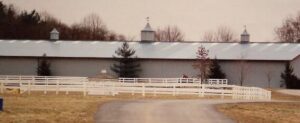 The equestrian center remained active until 1993. Early residents and their families delighted in bringing apples and carrots to the horses, and at least one resident boarded a horse at the facility.
Nancy’s detailed history of the village’s founding (available on the website) captures the heart and grit of those early years. Reflecting on those uncertain early days, Nancy put it best: “We did have some angels looking over us.”
For more information on the Edgmont Township Historical Society, visit their Facebook page at: https://facebook.com/groups/edgmonthistoricalsociety/