
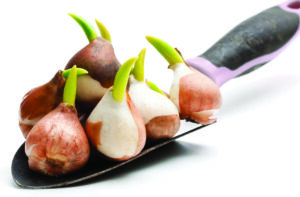
 Plant Spring Blooming Bulbs in the Fall
Bulbs such as tulips, daffodils, crocus, hyacinths and snowdrops that bloom in the spring, should be planted in the fall. It’s best to shop for them early in the autumn for the best selection. Planting groups of bulbs always allows for the most impact in a garden. Small bulbs such as Chionodoxa and Scilla siberica are most effective planted in groups of at least 25 bulbs. Tulips put on the best show in groups of 12 bulbs or more. Plant at least three each of daffodils and alliums, though groups of seven or nine look even better.
Layering bulbs adds dimension and interest to the garden and containers. When planting, put the largest, latest-flowering bulbs at the bottom (such as tulips or daffodils), and work your way up to the smallest, earliest bulbs at the top (like crocus). To complete the display, plant pansies, violas, mums or cyclamen on the top of the pot for color throughout the winter.
Beyond Mums!
Nothing says fall is here more than mums, but there are many other colorful options to choose from. This year, try a mixed display of asters, celosia, amaranth and ornamental grasses. There are many annuals and perennials to choose from in the fall and the seed heads of the flowers are sometimes as interesting as the blooms they develop from. Around the containers place gourds and pumpkins – there are many different colors, sizes and shapes to choose from these days. Indian corn is another autumn themed option for doors and displays.
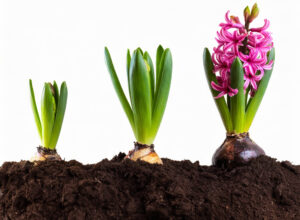 Don’t Delay, Plant Today!
Now is the time for planting. We like to say here, “back to school, back to the garden.” While spring is the most popular time to buy plants, one of the best times to plant trees, shrubs and perennials is in September! Take advantage of the cooler temperatures, which are more enjoyable for gardening, and less stressful on the plants as they acclimate to their new garden space.
Trees, shrubs and perennials planted in September are better able to withstand the rigors of the next summer’s heat and dry conditions because they have had much longer to develop healthy root systems and become thoroughly established. This also helps create a more mature looking landscape come spring.