
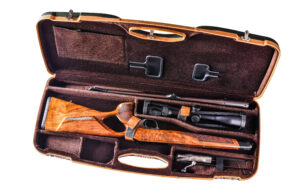
 As the weather gets warmer, people start spending more time doing activities outdoors, including recreational shooting. One of the most common questions firearms professionals are asked is how to safely and legally transport their firearm to the range. Today, we’ll go over how to properly do so, whether it’s a shotgun for trap shooting or a handgun for self-defense.
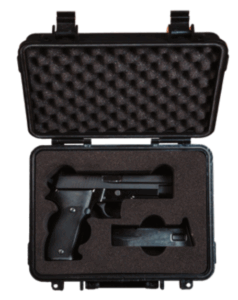
For those of you looking to transport a handgun, if you have your concealed carry license, you can carry the firearm loaded, whether it’s on your person or stored in your car. However, it is recommended that if you are pulled over by the police, you notify the officer that you are carrying a firearm. If you do not have a concealed carry license, then the handgun must be completely unloaded and in the case or box it came in and placed somewhere that’s not easily accessible, such as the trunk. The ammo must be stored in the original box or in a container designed to hold ammo. Ammo can be stored near the firearms when transported, just not in the firearm.
 Transporting a rifle or shotgun is more straightforward; in the state of Pennsylvania, rifles cannot be loaded in a vehicle, whether you have a concealed carry license or not. Transporting a rifle is very similar to storing a handgun. The rifle should be placed in the original box or in a rifle bag, completely unloaded and stored out of reach. The ammo should be stored the same way, in the original box or a safe container, and located preferably in the trunk.
If you’re planning to visit a public shooting range or one located out of state, it’s important to research and understand the specific rules and regulations of that range, as well as the firearm laws of the state and any applicable local jurisdictions. This includes transportation requirements, permitted firearm types, magazine capacities and any licensing or registration rules. Taking the time to verify these details before leaving home can help you avoid legal issues and ensure a safe and compliant experience.